One Book to Change Your Mind and Soul
October 1, 2025
Books have a quiet power. They slip into your heart, rearrange your thoughts, and sometimes leave you a little more human than you were before. For book lovers, the right story or idea can be a spark, igniting a desire to grow, reflect, and become a better version of oneself. But if you had to pick just one book with that kind of transformative magic, what would it be? Below, I’ll share a handful of books that have moved readers deeply, each with the potential to shift perspectives and inspire personal growth. I’ll land on one that stands out for its raw, universal impact.

Let’s start with a few that have left their mark on readers’ souls. Flowers for Algernon by Daniel Keyes is a gut-punch of a novel. It follows Charlie, a man with intellectual disabilities who undergoes an experimental procedure to increase his intelligence. The story, told through his journal entries, is a heartbreaking exploration of identity, humanity, and the ethics of tampering with who we are. It’s a banned book in some places, likely because it forces us to confront uncomfortable moral questions. I read it at 14, and it shattered me in the best way—making me question how we judge intelligence and kindness. Similarly, My Sister’s Keeper by Jodi Picoult wrestles with family, sacrifice, and the right to one’s own body. Both books, though sometimes heavy, push you to think deeply about what it means to be human.
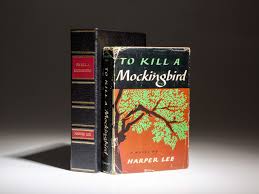
Then there’s To Kill a Mockingbird by Harper Lee, a timeless classic that unpacks justice, prejudice, and empathy through the eyes of young Scout Finch. It’s a book that grows with you—simple enough for a child to love, profound enough to reshape an adult’s worldview. The Diary of Anne Frank offers a different kind of lens: a young girl’s raw, real account of hope and resilience in the face of unimaginable horror. It’s a reminder of the strength of the human spirit, even when the world feels impossibly dark.
For those drawn to stories with a touch of magic or spirituality, The House in the Cerulean Sea by TJ Klune is a warm hug of a book, celebrating found family and the courage to challenge broken systems. The Shack by William P. Young dives into faith, grief, and forgiveness, offering a deeply personal take on spirituality. The Screwtape Letters by C.S. Lewis, with its clever, devilish correspondence, flips morality on its head, making you rethink temptation and virtue. And The Alchemist by Paulo Coelho? It’s a lyrical journey about following your dreams, wrapped in a fable-like glow that lingers long after the last page.
For something grounded in real human struggle, Man’s Search for Meaning by Viktor E. Frankl stands out. Written by a Holocaust survivor, it’s part memoir, part psychological reflection on finding purpose in suffering. It’s not an easy read, but it’s a profound one, urging you to seek meaning no matter the circumstances. Tuesdays with Morrie by Mitch Albom, meanwhile, distills life’s big lessons into intimate conversations between a dying professor and his former student. It’s a book that feels like a wise friend, gently nudging you toward gratitude and connection.
But if I must choose one book that can change the way you think and inspire you to be better, it’s When Breath Becomes Air by Paul Kalanithi. This memoir, written by a neurosurgeon facing terminal cancer, is a meditation on life, death, and what it means to live meaningfully. Kalanithi’s prose is luminous, his questions universal: What makes a life worth living? How do we face mortality with courage? Reading it feels like sitting with someone who’s staring into the abyss and still choosing to love, learn, and grow. It’s a book that doesn’t just change your mind—it cracks open your heart.
Each of these books carries a spark of transformation, but When Breath Becomes Air is the one I’d press into your hands. It’s short, soulful, and achingly honest—a perfect read for anyone who loves books and wants to live a little more fully. Pick it up, let it break you, and let it make you better.
What’s the one book that’s changed you?